Kinesiology for Kids

Discover the Healing Power of

Kinesiology for Children

Welcome to a space where your child’s nervous system is supported with gentleness, helping them rest, restore, grow, and truly thrive. Kinesiology works at the root of imbalance—physical, chemical, hormonal, and emotional—giving your child a sense of safety, confidence, and calm.

Transform challenges into strengths

Every child faces challenges as they grow. Some are obvious, while others sit quietly beneath the surface. Specialised kinesiology sessions meet your child exactly where they’re at, offering holistic support and real solutions.

I am deeply passionate about working with children and hold the utmost respect for their honesty, expression, and emotional depth. Children naturally reveal what’s true for them, and kinesiology allows me to untangle stress within their nervous system so they can find peace, clarity, and confidence again. My purpose is to create a safe, nurturing environment where children can flourish.

Kinesiology can support children experiencing:

- Anxiety and depression

- Sleeping issues

- Trauma

- Behavioural issues / reactive behaviours

- Learning difficulties

- Developmental delays (motor skills, speech, milestones)

- Poor coordination or concentration

- Emotional outbursts and tantrums

- Fears and phobias

- Separation anxiety

- Feeling left out or excluded

- Motivation blocks and self-sabotage tendencies

- Challenges linked to parents’ divorce/separation

- Hormonal changes during puberty

- School stress and learning expectations

- Sensory processing issues (noise, lights, textures)

- Struggling to form or maintain friendships

- Toileting accidents, night terrors

- Weight or eating concerns

- Growing pains

Every child benefits from kinesiology. By calming an overactive nervous system and releasing biochemical or emotional stress, their system naturally returns to balance. From this place, children reconnect with their resilience, joy, confidence, and innate capacity to heal.

Kinesiology is safe and effective for children of all ages—and can even support communication and connection with your unborn baby during pregnancy.

Kinesiology sessions look different for every child. The initial session is focused on understanding the core issues while also building trust. A child must feel safe enough to soften their stress-response patterns before deeper release and repair can occur. This varies depending on the child, the presenting concern, and how long the stress has been held. Planning for a 60-minute session ensures we have ample time together, whether in clinic or online.

Follow-up sessions are also guided by your child’s needs and the nature of the issue. There is no rigid schedule required; instead, we follow what the child’s system is ready for. A common treatment flow is:

- A follow-up session approximately 2 weeks after the initial balance

- Two further balances spaced 2–4 weeks apart

A longer gap of around four weeks between sessions often allows for deeper integration, greater nervous system shifts, and more meaningful follow-up work.

Frequently Asked Questions

How Can Kinesiology Help with My Child’s Bedwetting or Night Terrors?

Bedwetting and night terrors often arise from an imbalance within the Kidney meridian, which governs fear, safety, emotional regulation, and the body’s ability to release and relax during sleep. When the Kidney or Bladder meridians are overactive or underactive, children may struggle to control the bladder at night or experience intense fear, anxiety, or panic during dreams.

To support this area, kinesiology works on both the nervous system and the adrenal–kidney connection, helping the body return to balance and safety. This may involve a combination of gentle, child-friendly techniques such as:

- Acupressure points – Stimulating specific points to support energy flow and balance.

- Essential oils or frequency oils – Encouraging relaxation and emotional grounding.

- Pressure squeezes – Gentle compressions that soothe and settle the nervous system.

- Foot massage – Activating reflex points that calm the bladder and kidney pathways.

- Rocking of the hips – Releasing cranial–sacral tension and supporting deeper relaxation.

The techniques used will always match your child’s nervous system, emotional state, and how long the imbalance has been present.

These physical techniques are complemented by emotional release work, simple discussions about feelings, and the use of colour and sound (especially effective with younger children). Once the nervous system is calm and grounded, we move into balancing the Kidney and Bladder meridians more directly through:

- Trigger point work – Releasing blockages along the meridian pathways.

- Nutritional guidance – Reducing or removing foods that aggravate the bladder or adrenal stress.

- Environmental adjustments – Identifying triggers such as smells, food intolerances, overstimulation, or changes in the home that may be contributing.

A follow-up session is usually recommended once the nervous system and meridians have been balanced and the root cause has been identified. This session ensures there are no lingering stressors and allows us to check whether the digestive system or primitive reflexes also need support.

Using this holistic approach, kinesiology addresses the deeper causes of bedwetting and night terrors—supporting your child’s emotional safety, physical balance, and overall well-being.

How Can Kinesiology Help My Child’s Separation Anxiety?

Separation anxiety is often linked to an imbalance within the Kidney and Bladder meridians, which are energetically connected to fear, safety, grounding, and the ability to regulate emotions. When these meridians are stressed, children may experience heightened fear, panic, clinginess, or a strong resistance to being away from their primary caregiver.

There is also a deeper connection to feelings of nourishment, emotional “sweetness,” and a sense of control when navigating big feelings. Over time, anxiety can become stored in muscle memory and posture, causing the body to tighten or collapse in familiar patterns each time a stressful situation arises. Addressing the root cause can shift the entire emotional and physical response.

To balance the Kidney and Bladder meridians, kinesiology works gently with the adrenal system and the state of the nervous system. This may include:

- Acupressure points – Stimulating key points to support emotional regulation and energy flow.

- Essential oils or frequency oils – Encouraging relaxation, grounding, and emotional support.

- Pressure squeezes – Offering deep, calming input to settle the nervous system.

- Foot massage – Activating reflex points linked to safety and grounding.

- Rocking of the hips – Releasing cranial–sacral tension and soothing the whole body.

The techniques chosen depend on the child’s nervous system, their level of overwhelm, and how long the imbalance has been present. Sessions may also include emotional release work, simple conversations about feelings, and the use of colour and sound—particularly effective for younger children.

Many children with separation anxiety also need individual muscle balances, as anxiety can present in the body as an “electrical imbalance.” This may involve supporting:

- Electrolyte and mineral balance

- Sensory processing

- Polarity and grounding

- Postural release in overloaded or emotional fatigued muscles

A typical treatment plan includes four or more balances, depending on the child’s needs and the environments that trigger their anxiety (school, bedtime, social settings, transitions, etc.). When appropriate, I may also include guided roleplay with parents to help the child practise safe separation and build confidence between visits.

Through this holistic approach, kinesiology aims to address the deeper causes of separation anxiety—supporting emotional stability, physical balance, and a greater sense of safety and wellbeing within your child’s body and mind.

How Can Kinesiology Help Your Child with School Refusal?

School refusal can happen at any stage—starting kindergarten, changing schools, moving into high school, or facing new classmates or subjects. It usually develops over time as your child holds in stress, overwhelm, or emotions they don’t know how to release. These feelings often get stored in their posture, nervous system, and even in retained primitive reflexes, making school feel unsafe or too much to cope with.

Kinesiology helps uncover why this stress has built up and gently balances the body and nervous system so your child can feel calmer, more confident, and more capable in the school environment.


Understanding What’s Really Going On

A key part of school refusal is whether the school, the parent, and the child are all aligned. Often, the child is absorbing the parent’s stress or frustration about the school system, teachers, or learning expectations. What matters most is that home values, school values, and your child’s needs sit in harmony—no matter what type of schooling you choose.


Releasing the ‘Emotional Backpack’

Children carry their school stress like an emotional backpack. Every overwhelming moment adds weight until the nervous system can’t cope, leading to shutdown, panic, or refusal to go.

Kinesiology helps empty this backpack by releasing emotional muscle memory and restoring balance. After this release, we often support:

- Retained reflexes

- Cranial–sacral alignment

- Vagal nerve activation

- Sensory balance

- Grounding and polarity

- Braingym for new learning pathways

These steps help your child feel safer, more settled, and better prepared for the school day.


Supporting You as the Parent

Parents gain a deeper understanding of how their child learns, what stresses them, and how to support them at school. You’ll also learn to recognise biochemical triggers, sensory overload, or food issues that can make school harder.

How Can Kinesiology Help Your Child with Learning Issues?

Learning issues can appear in many ways—difficulty concentrating, reading or writing challenges, poor memory, slow processing, or trouble keeping up in class. These challenges often relate to stress held in the nervous system, retained primitive reflexes, sensory overload, or emotional patterns formed early in life.

For many children, the deeper issue is a lack of understanding about how they uniquely learn and an inability to tap into their natural strengths. When a child doesn’t know how their brain works best, learning can feel frustrating, draining, or overwhelming.

Kinesiology helps uncover what’s blocking your child’s learning and gently balances the body so they can access clarity, confidence, and their individual learning style.


Why Learning Feels Hard

When the nervous system is overwhelmed or stuck in “survival mode,” the brain struggles to:

- Focus

- Organise information

- Retain memory

- Process instructions

-Stay calm under pressure

On top of this, children may feel lost or “not good enough” because they haven’t been shown their personal learning strengths, whether they learn best through movement, visuals, hands-on experiences, repetition, or quiet time.

Retained reflexes, posture stress, and muscle imbalances can make reading, writing, and sitting still feel exhausting—adding another layer of difficulty.


How Kinesiology Supports Learning

Kinesiology works holistically to support the whole child. A session may include:

- Releasing emotional stress affecting concentration, motivation, and self-belief

- Balancing the nervous system so the brain can access “learning mode”

- Identifying your child’s unique learning pattern

- Helping them recognise their natural strengths

- Checking retained reflexes that affect reading, writing, or attention

- Supporting sensory processing when noise, light, or movement is overwhelming

- Cranial–sacral and vagal nerve balancing for calm, clear thinking

- Braingym movements to create new learning pathways

- Posture and muscle activation checks to support handwriting and classroom endurance

- Addressing biochemical or nutritional triggers that impact concentration

Each session is tailored to what your child’s body shows us.


Supporting Emotional Confidence

Learning challenges can create frustration, embarrassment, or low confidence—especially if a child feels “behind.”

Kinesiology helps children release these emotional blocks while learning how they learn best. This empowers them to use their strengths, advocate for what they need, and feel more at ease in the classroom.

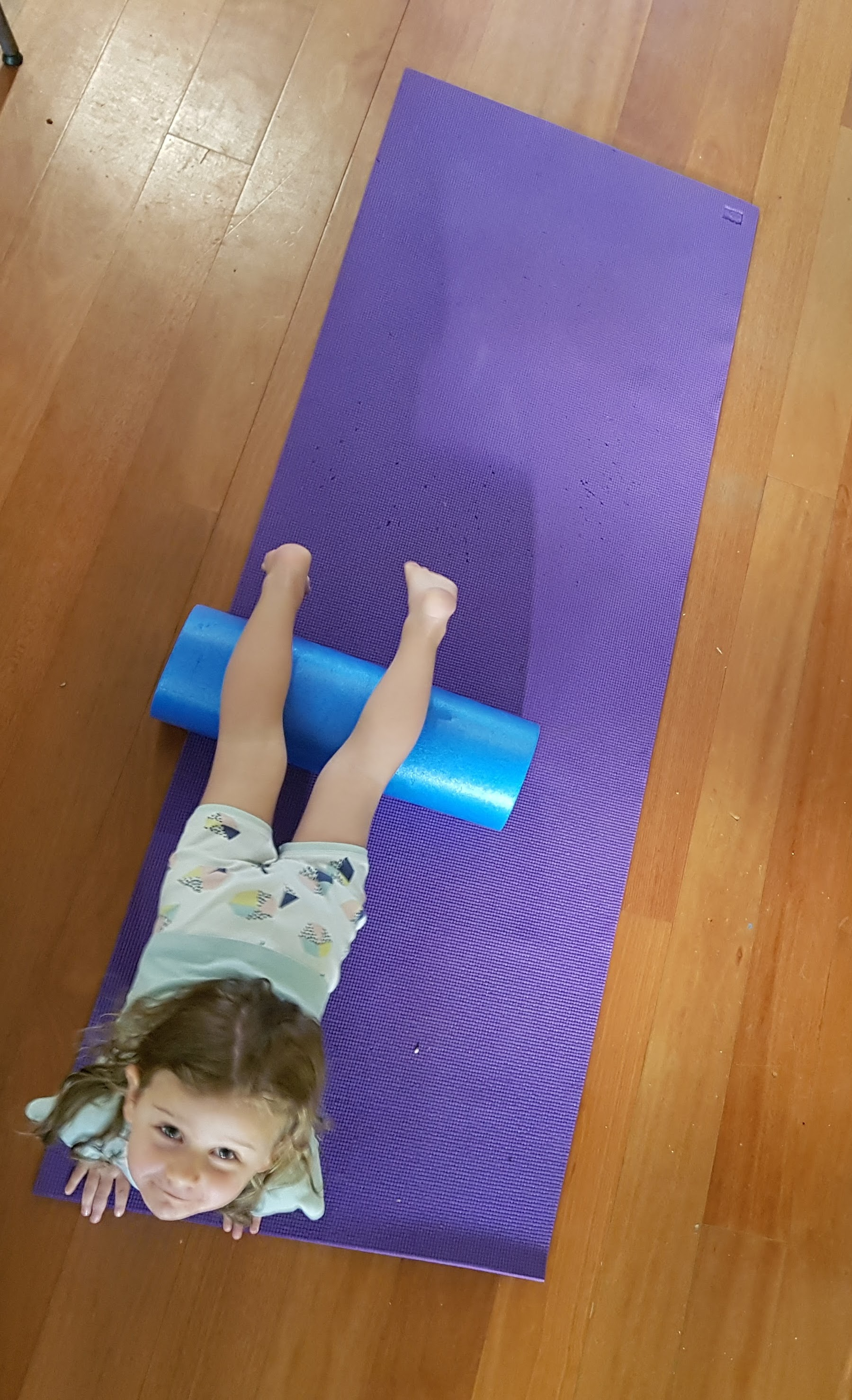
BRAINGYM

Combines traditional braingym activities

with Kinesiology, meridian, neruroemotional,

developmental and reflex related movement
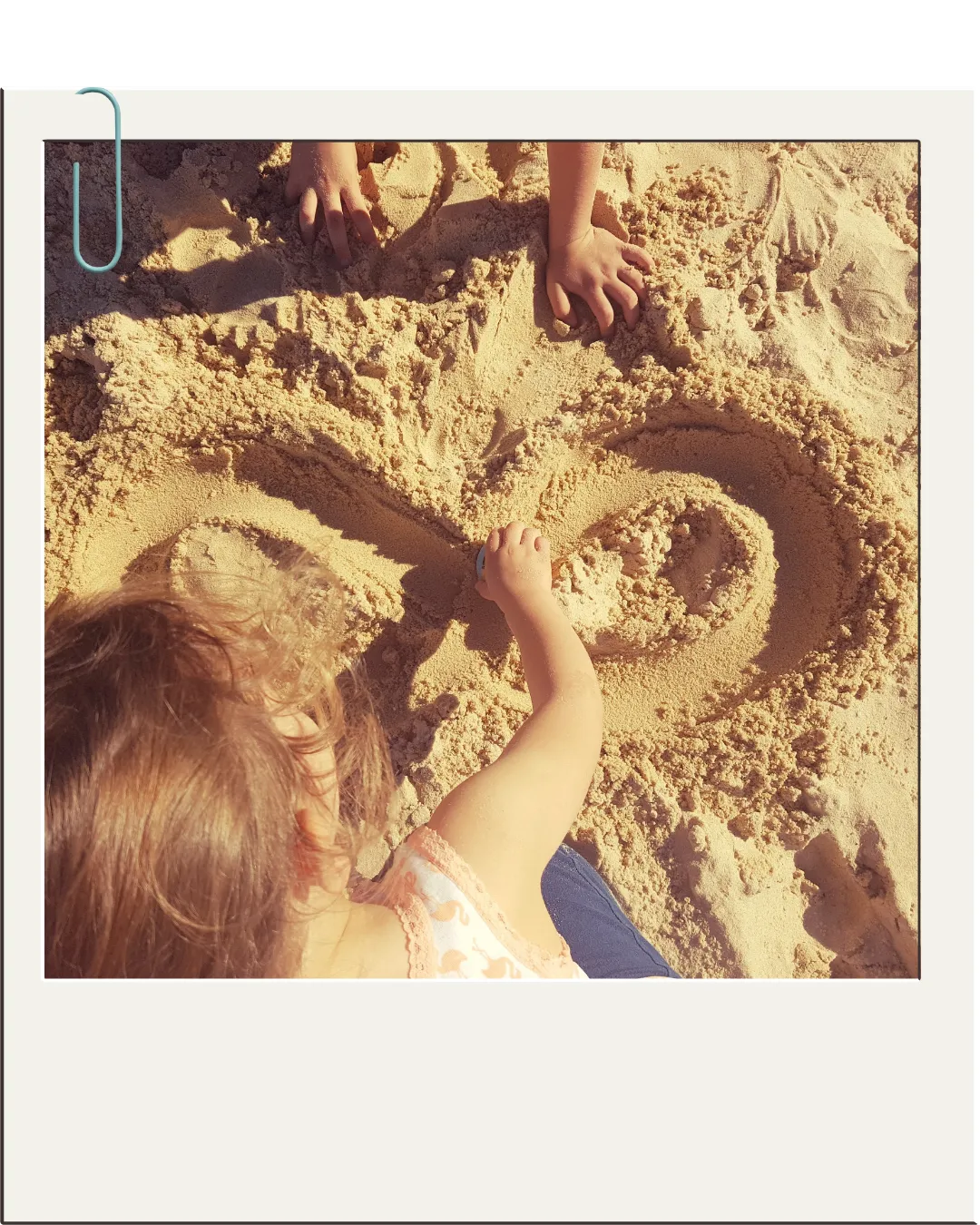
  • Brain Gym to help you get the most out of playtime at home

  • Empowering you with a toolbox of simple ways to shift, redirect and switch on your child’s energy

  • Fun rainy-day movement activities that create big developmental outcomes

let's stay connected!
View our Privacy Policy and Terms and Conditions here © 2026. All Rights Reserved.