
Kinesiology for Developmenal Deyals
Every Delay Has a Reason, and A Way Through
Kinesiology for Developmental Milestones
Developmental delays can show up in so many different ways, and for a parent watching one unfold in their own child, it rarely feels like just one thing. It might be a milestone that's slow to land, a body that hasn't quite found its coordination yet, or a nervous system that seems to be working harder than it should just to get through an ordinary day. Whatever shape it takes, there's usually a reason underneath it, and that reason is what this work is interested in.
Delays can arise from genetics, birth history, environment, emotional stress, trauma or nutritional imbalances, often more than one of these at once. In recent years, professionals and researchers alike have also been noting a rise in delays around speech, social interaction and emotional regulation, with many pointing to the school closures and lockdown periods as part of the picture — years where children had less social exposure and fewer of the everyday developmental opportunities they'd normally meet without even trying. None of this is a story about a child doing something wrong. It's simply the body and nervous system telling us where support is needed.
Common Examples of Developmental Delays
- Motor Skills Delays: Difficulty rolling, sitting, crawling, walking, or maintaining head and neck control.
- Speech and Language Delays: Slow development of speech or difficulties forming words and sentences.
- Social and Emotional Development Delays: Extended parallel play, reduced eye contact, sensory overwhelm, difficulty reading social cues, or separation anxiety.
Other Indicators: Clumsiness, bedwetting, night terrors, reduced confidence, or challenges with body awareness.
Why early recognition matters
Developmental delays can appear at any stage of childhood, and they're not always loud about it — sometimes it's simply a little slower physical, emotional or social development than what's typically expected for that age. Recognising this early matters, because these years lay down so much of a child's long-term growth, learning and wellbeing. Regular early-childhood health checks are an important part of this picture, keeping a steady eye on milestones and picking up on anything that might need a closer look. Kinesiology sits alongside this care rather than in place of it — one more way of listening to what a child's body and nervous system are ready to tell us.
What a delay can look like
Delays tend to show up in a few recognisable places, though every child wears them a little differently.
Motor skill delays often appear first, and can look like difficulty rolling, sitting, crawling or walking, or a baby or toddler who hasn't quite settled into steady head and neck control yet.
Speech and language delays show up as a slower path to talking, or real difficulty forming words and putting sentences together once talking has begun.
Social and emotional development delays can be quieter and easier to miss — extended parallel play well past the age when children usually start playing together, reduced eye contact, sensory overwhelm in ordinary environments, difficulty reading social cues, or separation anxiety that doesn't ease with time.
Other everyday signs are worth paying attention to as well: clumsiness, bedwetting, night terrors, a dip in confidence, or a child who seems unsure in their own body. None of these needs to arrive as a diagnosis before they're worth gently exploring.
How kinesiology meets a developmental delay
Kinesiology offers a holistic, child-centred way of asking what's blocking integration, growth or development, rather than starting from the label alone. Through gentle muscle testing and nervous system assessment, we explore what's actually sitting underneath the delay, because two children with the same outward sign can be carrying two entirely different stories in their bodies.
Nutritional imbalances
Nutritional imbalances can quietly affect how a developing brain and body function, long before they show up anywhere else.
Retained primitive reflexes
Retained primitive reflexes — the early reflex patterns a baby is born with, which are meant to integrate as the nervous system matures — sometimes stay active longer than they should, and can sit underneath motor, coordination and even learning challenges.
Past trauma or birth experiences
Past trauma or birth experiences can leave an imprint in the body that a young child has no language for, but that the nervous system still carries.
Emotional stress and sensory overload
Emotional stress and sensory overload ask a great deal of a developing nervous system, especially one that's already working hard to keep up.
Disrupted neural pathways
Disrupted neural pathways and patterns of low self-esteem or confidence often develop together, each one feeding the other over time.
The aim of this work is to open and strengthen new pathways in the brain and body, gently and at the pace each child can meet. As those pathways come back online, what tends to follow is better physical coordination, steadier emotional regulation, greater readiness to learn, and a child who feels more at ease in themselves socially. This is where the magic of the work really shows itself — not in forcing change, but in clearing what was in the way of a child's own natural intelligence coming through.
Kinesiology and Complementary Therapies
Kinesiology is the perfect enhancement to any additional complementary therapy. It brings in the emotional and meridian components of healing and wellbeing that other therapeutics may be missing. This can then reduce the length and level of support required.
Calmer minds, balanced bodies, happier hearts
There’s no need to have every answer before reaching out. A first session is simply a chance to explore, gently and without pressure, what your child’s body and nervous system are ready to show us — and to begin opening the pathways that allow their own natural development to continue, in whatever time and way that takes.
A Personal In-Clinic Testimony
How Can Kinesiology Help the Development of My Child?
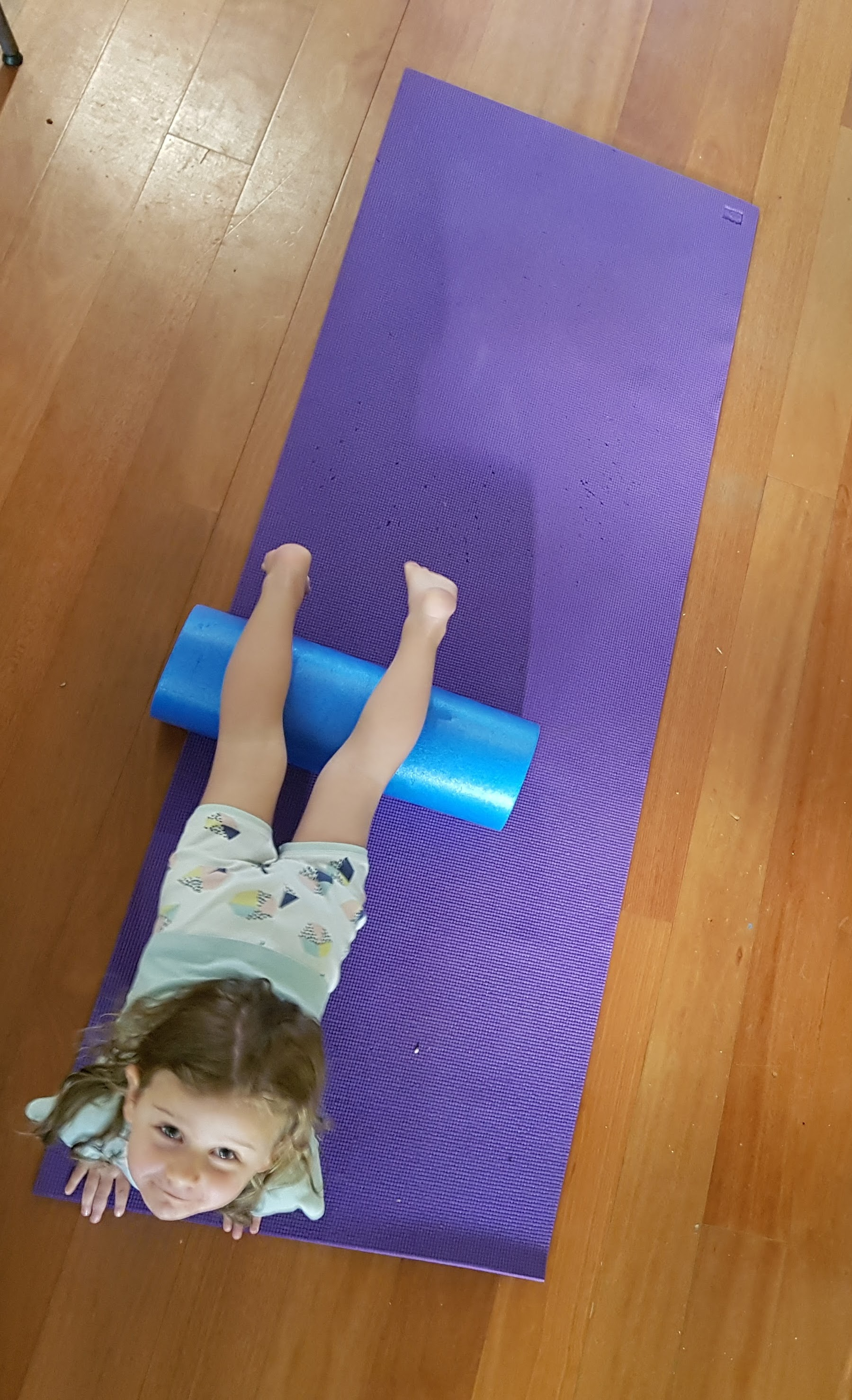
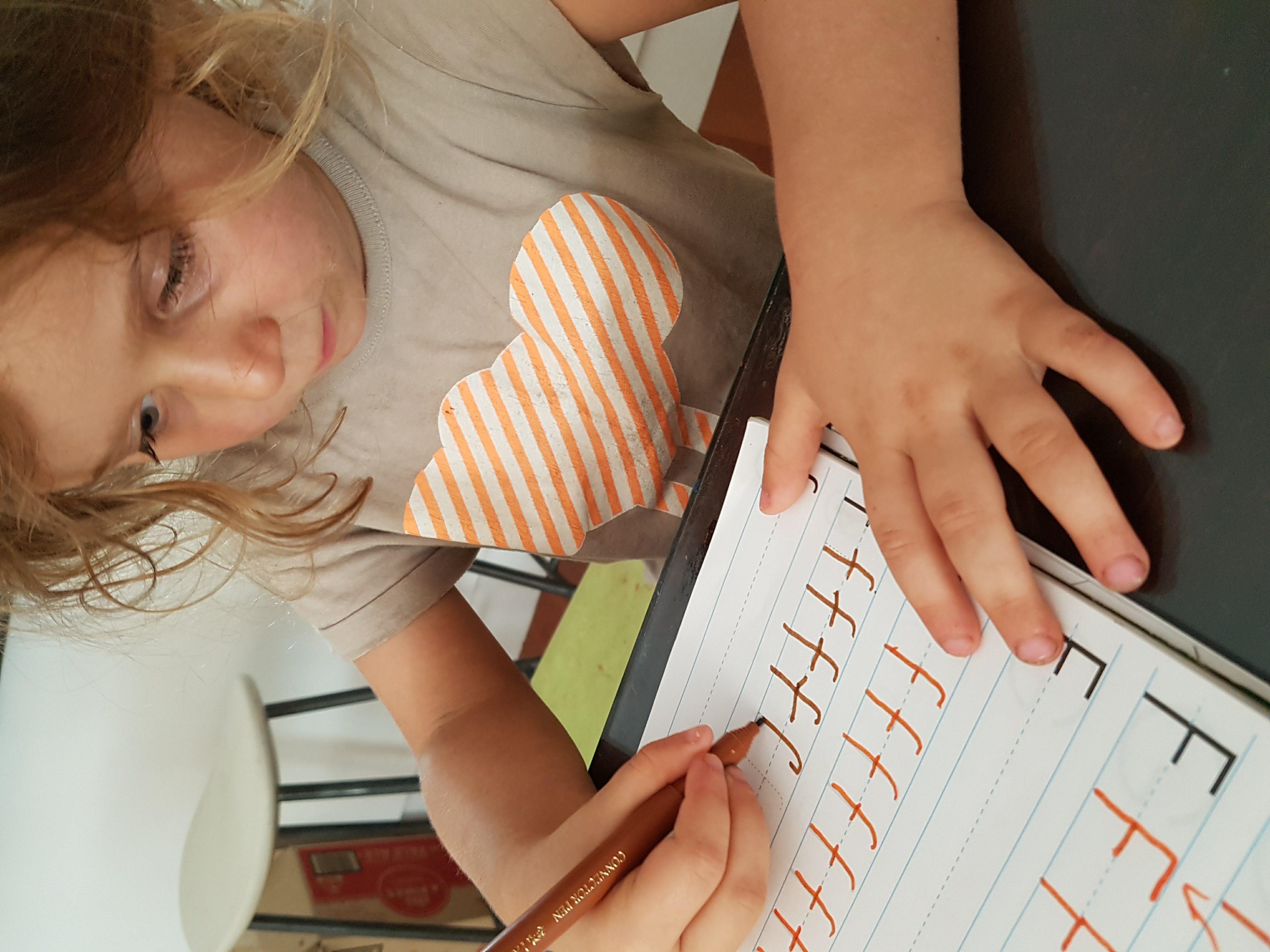
“Kinesiology was the missing piece for our child. He struggled with focus, handwriting, and overwhelm at school, and we couldn’t figure out why. Once we started working on his retained primitive reflexes, everything began to shift. The take-home Brain Gym activities made a huge difference between sessions.
He’s now calmer, more confident, and coping so much better in the classroom. His teacher noticed the change before we even told her what we were doing. Kinesiology hasn’t just helped him learn better—it’s helped him feel better. It’s been life-changing for our family.” Lauren, Mum
let's stay connected!

View our Privacy Policy and Terms and Conditions here © 2026. All Rights Reserved.


