"WHEN MOVEMENT IS THE MEDICINE"
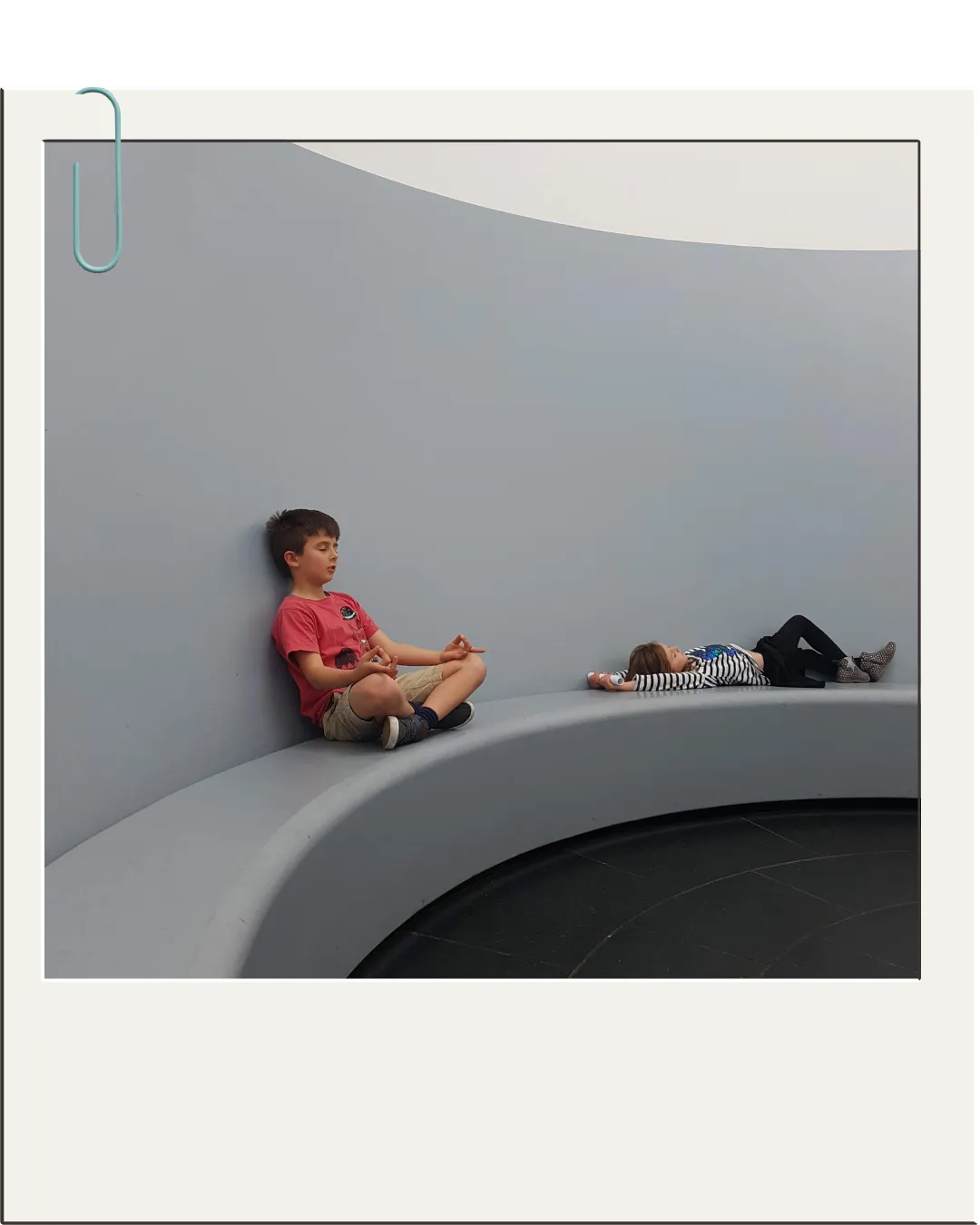
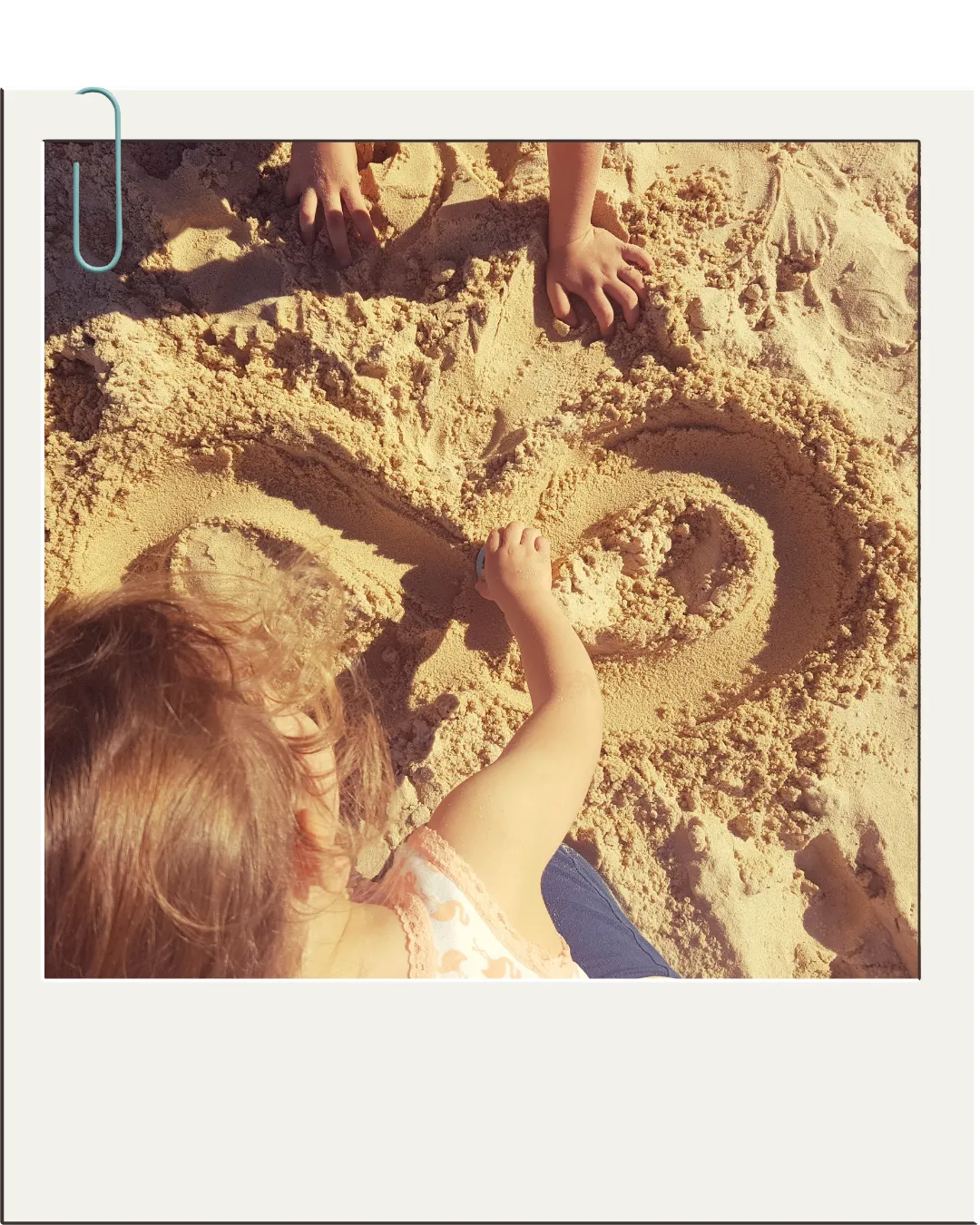
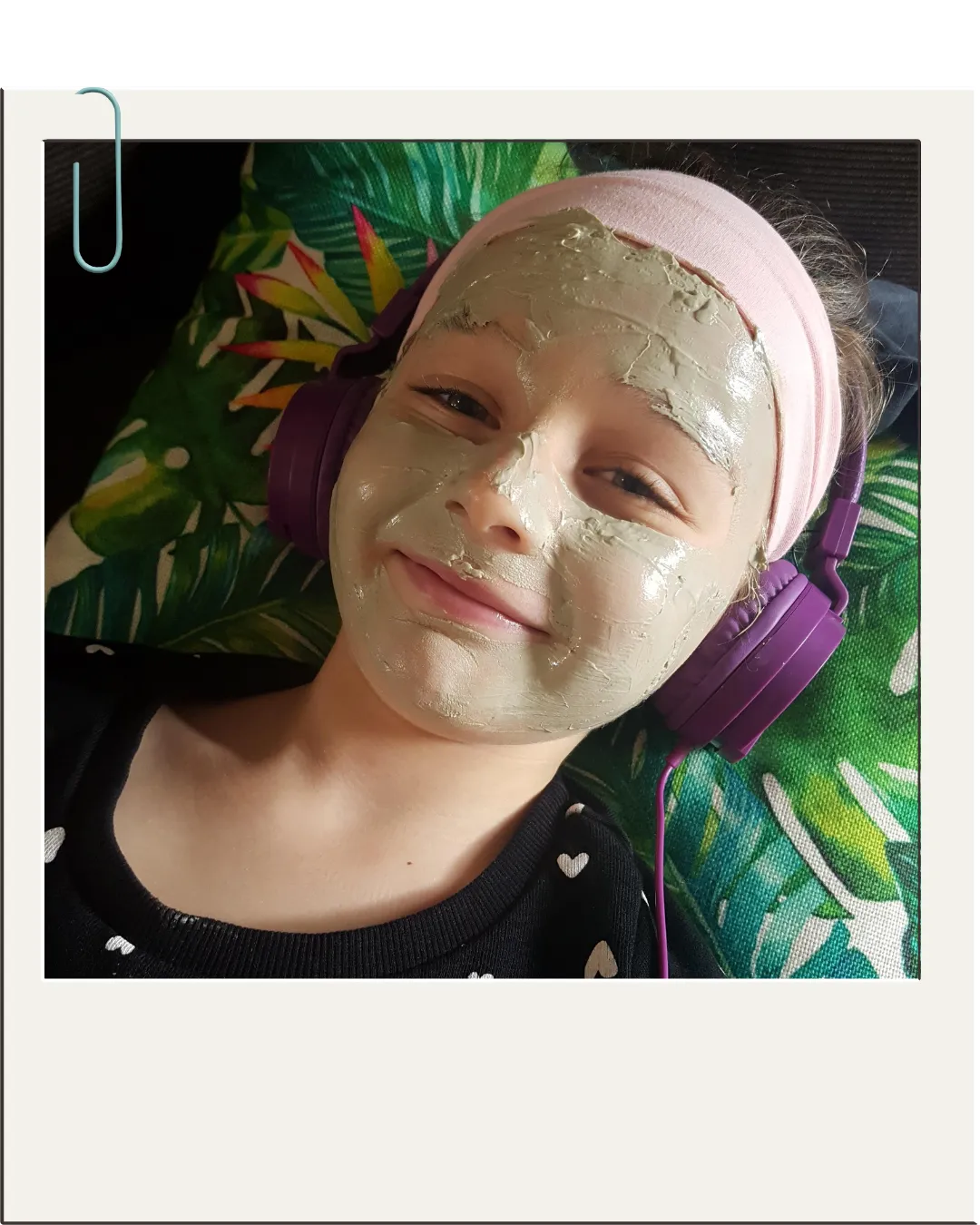
Welcome, I’m sooo Glad You're Here!
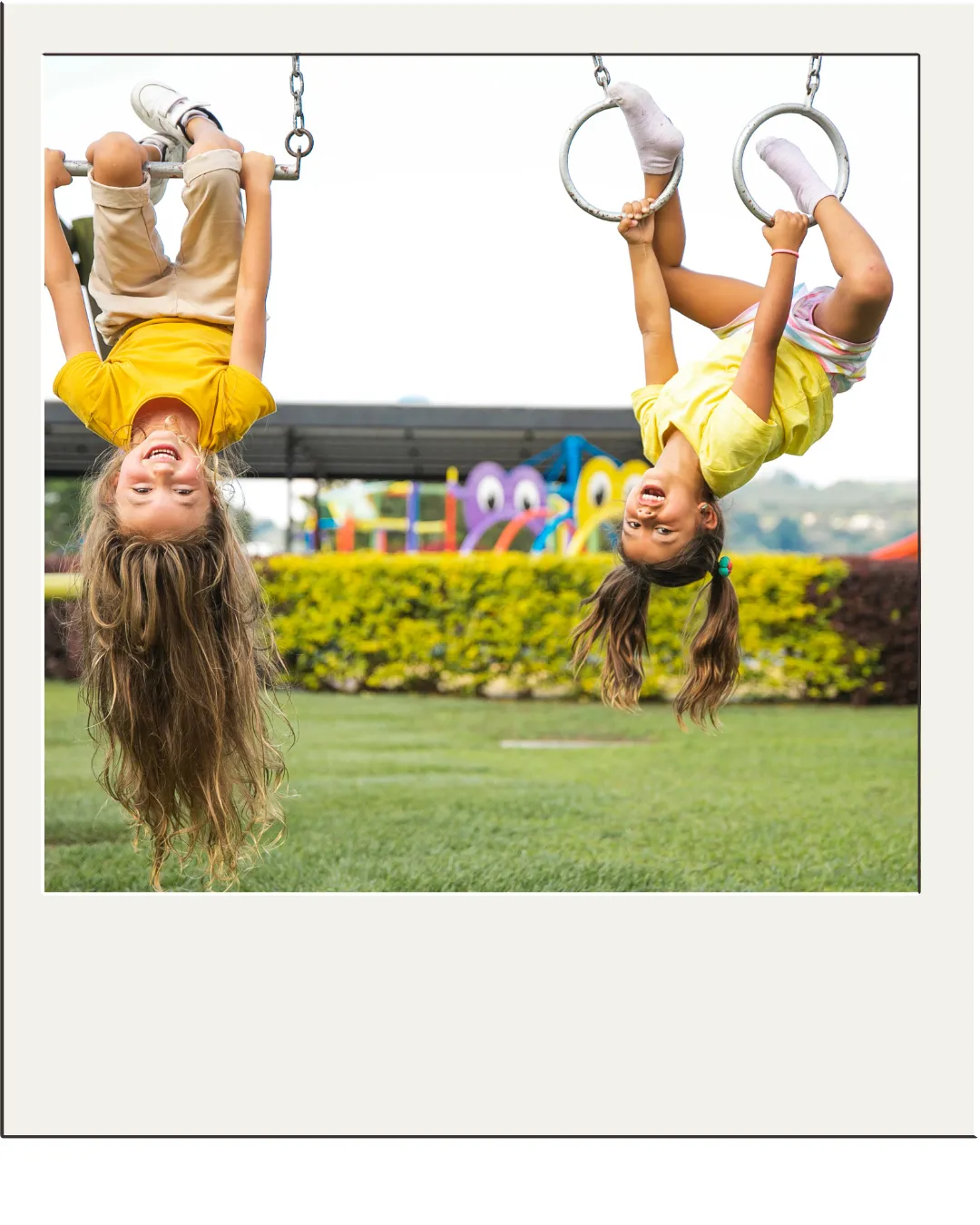
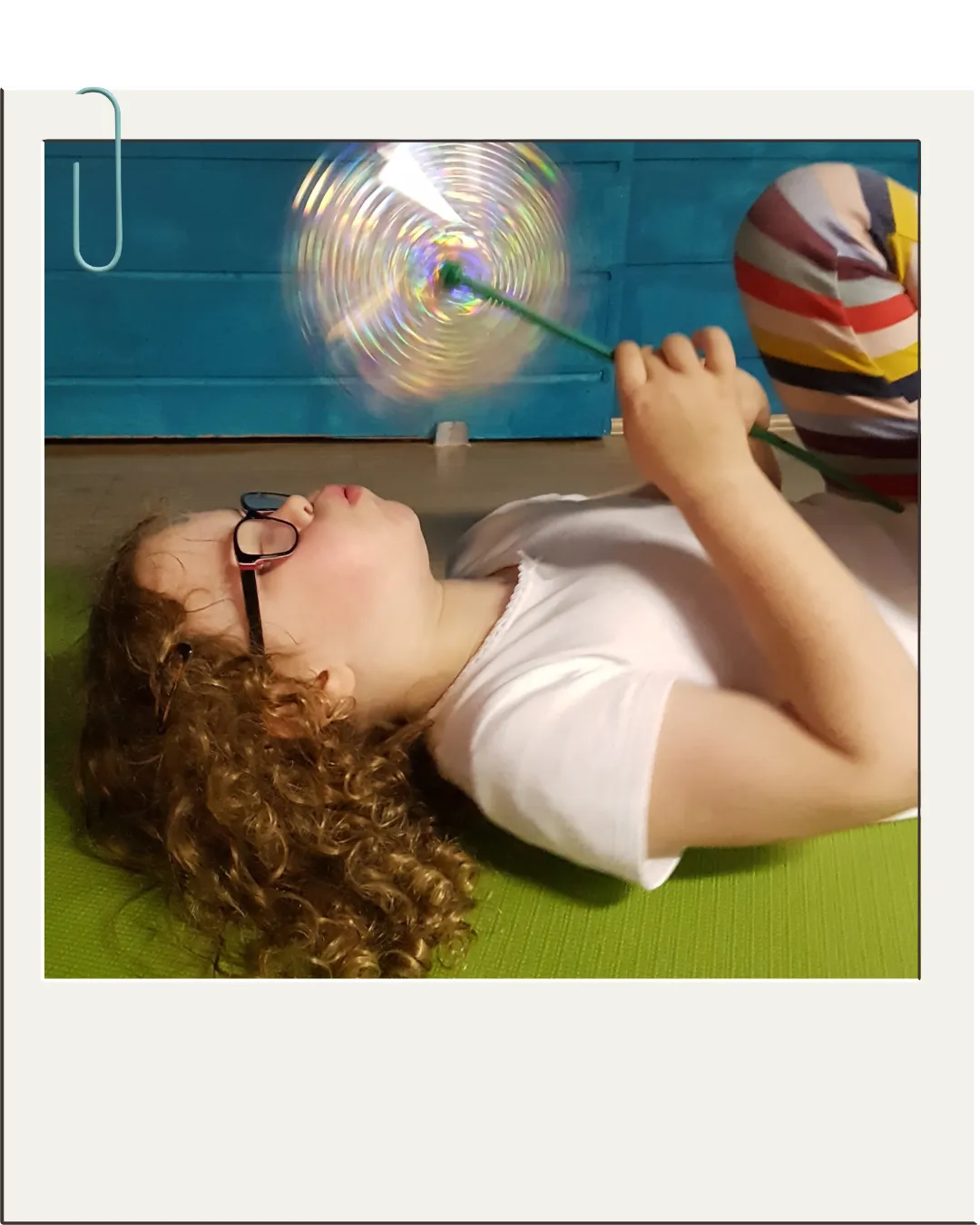
Movement is the language of the body.
Through developmental play, Braingym, and gentle physical balancing, kinesiology helps children release tension, improve coordination, and restore natural flow for learning.
Kinesiology helps the body remember how to heal itself through movement.
Every emotion we experience leaves an imprint in the body — shaping posture, energy, and how we learn.
When children move with awareness, they release stored tension, rebalance their nervous system, and reconnect to their natural flow.
Through gentle kinesiology techniques, we help them tap into their unique learning pathways and unlock the gifts that movement was always meant to reveal.
Kinesiology 4 Kids is For
Emotional Regulation
Sleep & Relaxation
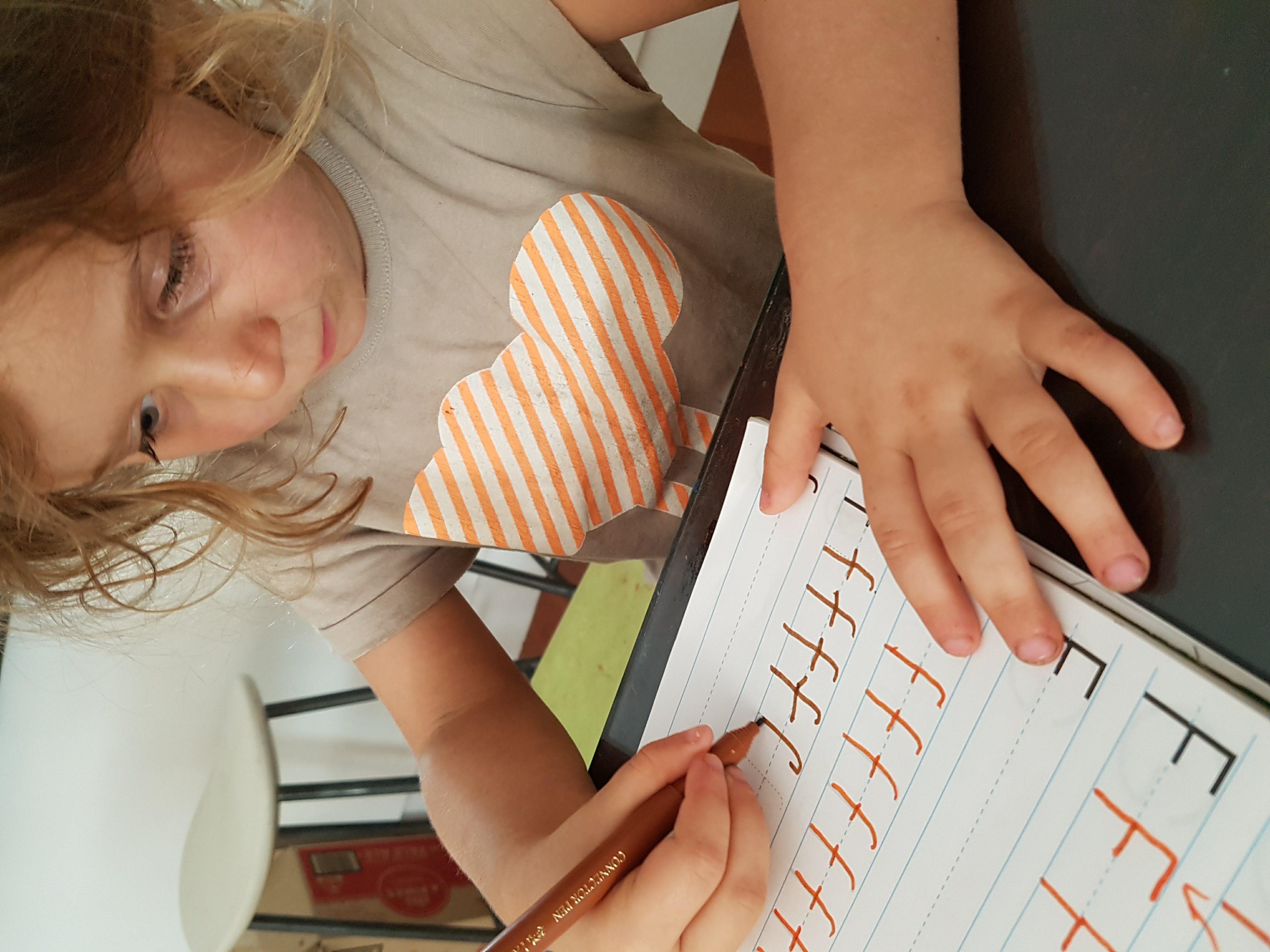
Learning & School Readiness
Focus & Calm
Behaviour & Transitions
Sensory Processing
Confidence & Self-esteem
Coordination & Posture
Resilience & Well-being
Fun Facts About Kinesiology
Movement is the medicine.
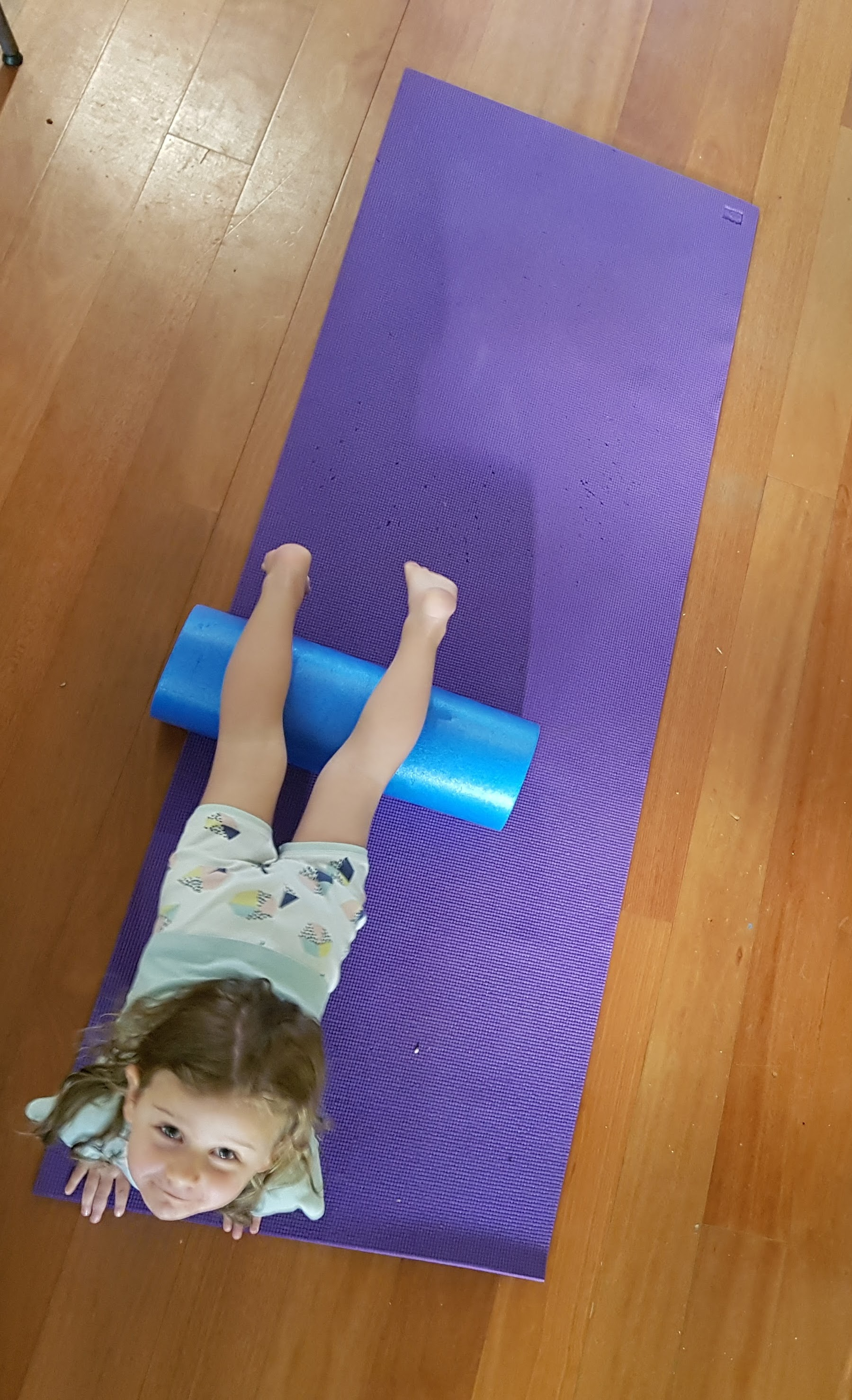
Every wiggle, stretch, crawl, and jump tells a story about how the brain and body communicate. In kinesiology, play isn’t just fun — it’s how learning switches on.
We balance the serious with the silly.
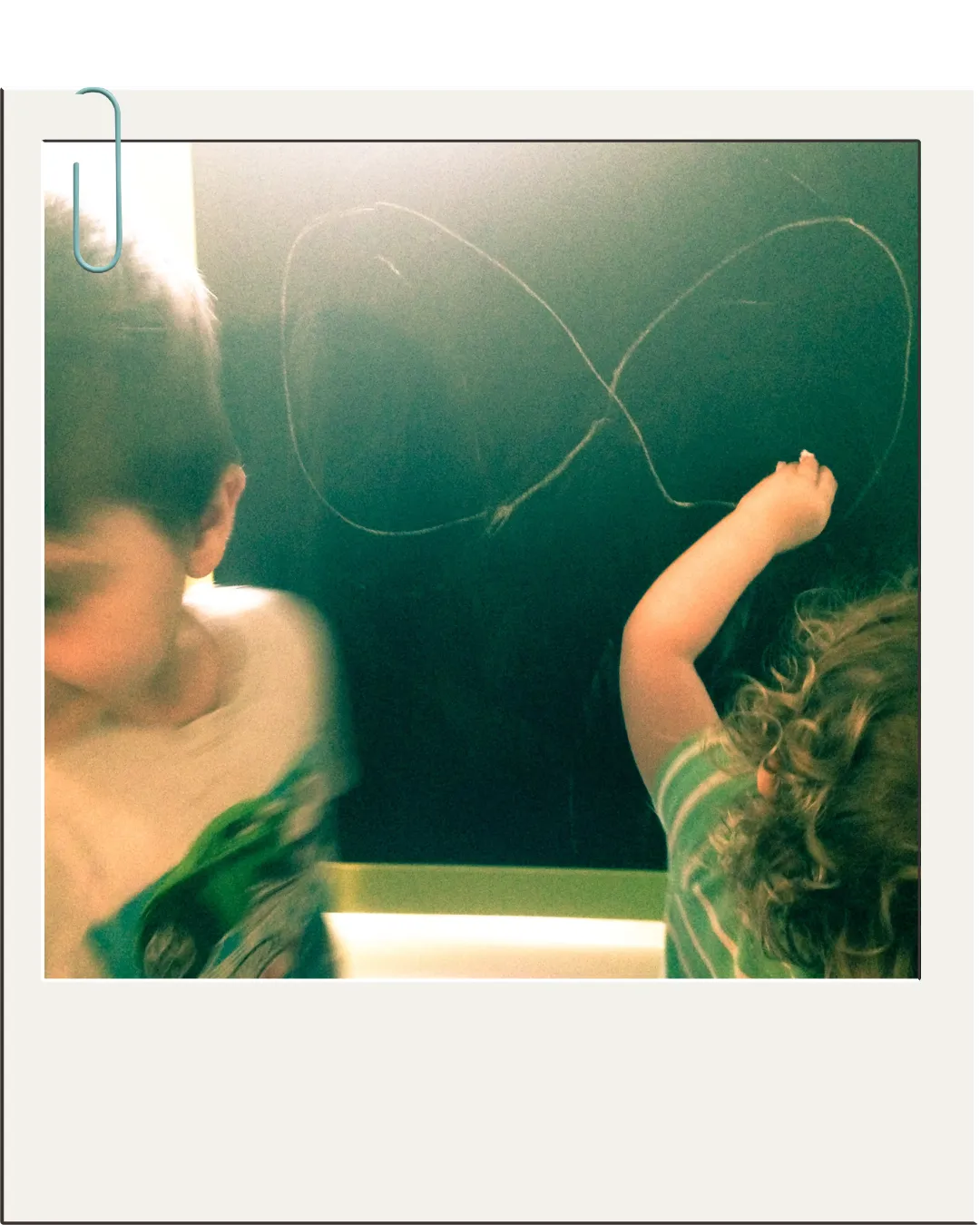
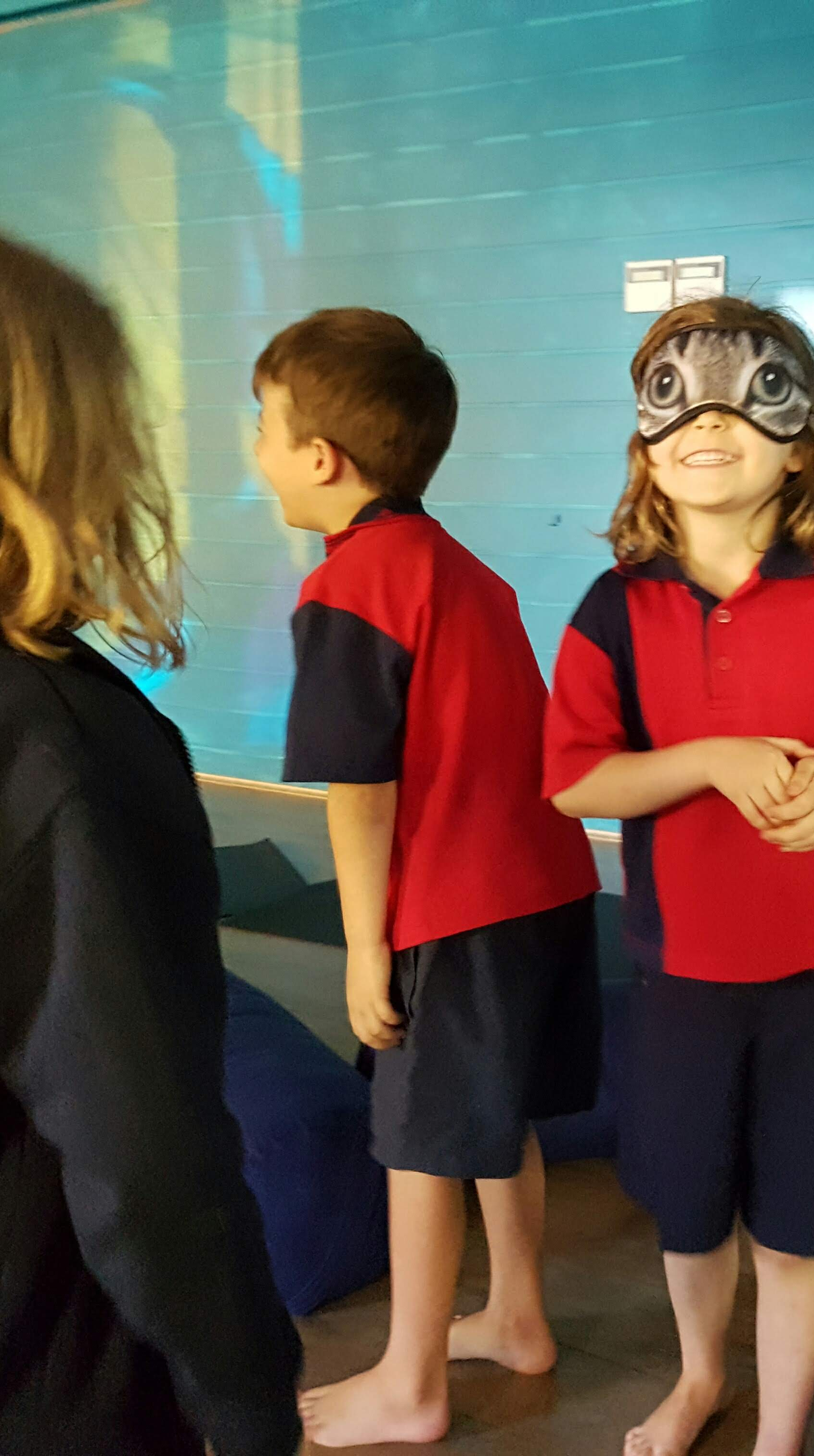
You might see us doing Brain Gym® moves, tracing lazy 8s in the air, or even testing muscle strength mid–giggle. The best breakthroughs often happen when kids feel relaxed and having fun!
Every session is unique.
No two children move — or learn — the same way. Each kinesiology session is guided by the child’s own body and energy, creating personalised pathways for calm, focus, and confidence.
What sets Clinical Kinesiology apart is its ability to access the emotions behind physical symptoms and interpret what the body is trying to express.
Why I love it!
The Brain gym ParT
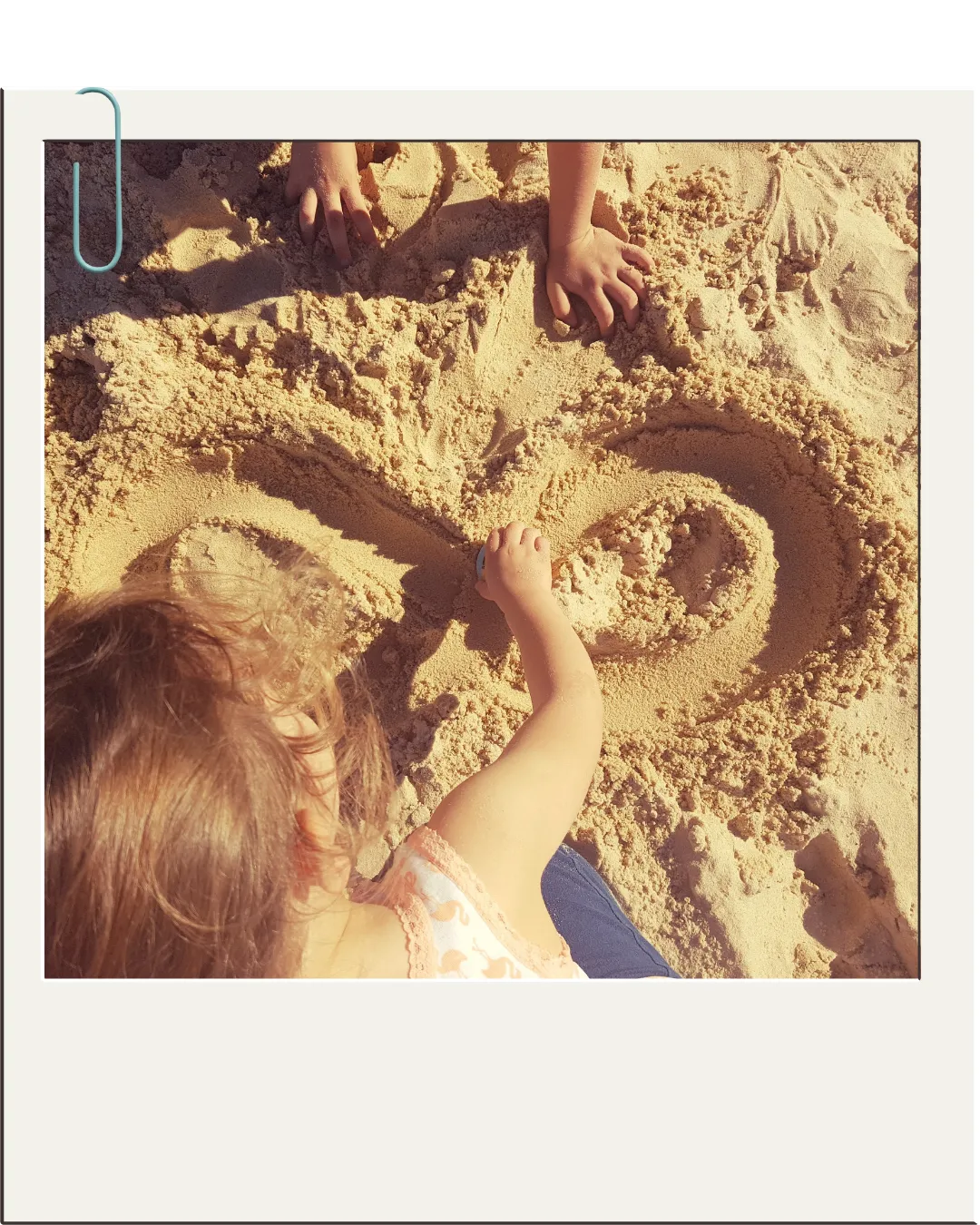
BrainGym® is where it started, but what I do now is so much more.
I still use the term Brain Gym, but really, it’s neuro training. I blend movement with kinesiology, reflex integration, neuro-emotional balancing and energetic awareness to support focus, regulation, coordination and whole-body integration.
Braingym gives you simple, practical and effective tools to support your child’s energy and emotions at home — turning everyday moments into opportunities for balance and connection.
Small movements create visible shifts — in focus, mood, posture, and confidence — helping parents witness real progress without pressure or complexity.
By learning how movement links to emotions and brain function, you gain insight into what your child’s body is communicating — and how to respond with confidence and care.
Frequently Asked Questions About Kinesiology
It can be a little difficult to explain kinesiology until you experience it. It is a gentle, whole-person approach that looks at the connection between the body, nervous system, emotions, energy and the stresses we experience in everyday life.
Below are some of the questions I’m most commonly asked about kinesiology, muscle testing and what actually happens during a session.
What is Kinesiology
Kinesiology is a whole-body approach to health and wellbeing that uses muscle monitoring as biofeedback to explore how your body is responding to physical, nutritional, emotional and energetic stress.
My Diploma of Applied Kinesiology included extensive study across areas such as nutrition, herbs and supplements, Traditional Chinese Medicine, meridians, neurovascular and lymphatic systems, craniosacral balancing, fascia, applied neurology and structural balancing.
This means a session can look much broader than simply talking about how you feel. We may explore how your nervous system, muscles, fascia, lymphatics, digestion, energy, emotions and lifestyle are interacting.
Muscle monitoring helps us navigate all of this and determine what your body is prioritising at that particular time.
Every balance is different because every body is different.
What happens during a Kinesiology session?
We begin with a conversation about what has brought you in and what you would like to change, improve or better understand. You then remain fully clothed, usually lying comfortably on the massage table while I use gentle muscle monitoring to guide the session. If this is your first session, muscle testing can feel a little slower at the beginning. That is completely normal. I explain what I am doing as we go so you can understand the process and become familiar with how your body responds.
I am PKP Kinesiology trained, which means I work from an extensive kinesiology database. One of the tools used within PKP is called finger modes. You may notice me muscle testing with one hand while holding different finger positions with the other. These finger modes help me navigate the kinesiology database and determine where we need to explore next.
First, we “switch you on” Every session begins by making sure your system is ready for accurate muscle monitoring. In Kinesiology we often refer to this as switching on.
This includes balancing the connection between your meridians and physical body, as well as testing and balancing areas such as ionisation and magnetism. This is an important foundation of PKP Kinesiology. If these foundational checks are out of balance, muscle monitoring responses can become skewed, so we address them before moving deeper into the session.
From there, we determine your priority issue, concern or goal.
I will ask guided questions while muscle monitoring to help us move beneath the surface and explore where the imbalance may have originally begun or what continues to keep the pattern active. Once we have established this, we put your goal “online”. This simply means bringing the goal into focus so that everything we do from that point is directed towards supporting change around it. The balance that follows may work across the physical, emotional, nutritional and energetic aspects of you.
For me, one of the most powerful differences with kinesiology is its understanding of the emotional component of the body.
It is not simply about identifying what is out of balance. We can explore why the body has focused on something, remembered it, adapted around it or struggled to move beyond it. You might understand the connection immediately. You may have a realisation hours or days after the session. Or you may never consciously think about it again but simply notice that something that once triggered, restricted or consumed you no longer carries the same weight.
My aim is not for you to leave analysing every emotion we uncover. In fact, if you leave feeling more stressed, fixated or consumed by it, then we haven't achieved what I want from the balance. The purpose is to help the body process, integrate and move forward, not give the mind something new to hold onto.
What techniques might be used?
Depending on what presents, a balance can draw from many different areas of kinesiology. Everything I use is worked with within the scope and parameters of my kinesiology qualifications and training, including:
- Nervous system and applied neurology techniques
- Acupressure and meridian balancing
- Neurovascular and lymphatic points
- Craniosacral balancing
- Fascia and structural work
- Muscles, posture and movement
- Retained reflex and vestibular work
- Emotional stress release
- Nutrition and nutritional support - Based within the Chinese 5 elements
- Herbs and supplements - within the boundaries of Kinesiology
- Breathwork
- Sound, colour and energetic balancing
- BrainGym® and movement integration
We don't need to use all of these in one session — and that is part of the beauty of kinesiology.
Countless health and wellbeing modalities are available, and kinesiology draws from an incredibly broad range of them. You don't need to do it all.
Muscle monitoring helps us narrow everything down and explore what your body is prioritising right now — what it is ready to shift and what may create the greatest positive flow-on effect towards restoring balance.
Rather than guessing or throwing ten different approaches at the problem, we ask the body: What do you need first?
What can Kinesiology help with?
People rarely fit neatly into one box.
You may arrive because you're feeling anxious, exhausted, sore, overwhelmed, struggling to concentrate or simply feel that your body isn't functioning as well as it used to.
Kinesiology allows us to look at the different systems that can sit underneath those experiences.
Clients commonly come to me for support around:
- Stress and nervous system regulation
- Anxiety, overwhelm and emotional regulation
- Fatigue and burnout
- Sleep
- Concentration and learning
- Sensory processing
- Retained reflexes
- Coordination and movement
- Recurring muscle tension or physical patterns
- Confidence and self-esteem
- School, Learning and performance stress
- Pregnancy, birth and postpartum experiences
- Hormonal and life transitions
- Digestive or nutritional wellbeing
- Recovery following periods of physical or emotional stress
Sometimes the place you feel the problem isn't necessarily where the balance leads us.
A tight jaw may connect us to stress or cranial work. A movement restriction may lead us towards fascia, reflexes or the nervous system. Fatigue may lead us to explore lifestyle, emotional stress, or nutritional support.
That ability to look at the connections between systems is one of the things I love most about kinesiology.
Is Kinesiology suitable for babies, children and teenagers?
Absolutely. And if you have ever seen me work in clinic, you would say that I was put on this earth to do work mostly with babies, children and teens.
One of the reasons I love kinesiology for children is that they don't always have to find the words to explain what is going on.
Children often show us stress through their behaviour, movement, concentration, sleep, sensory responses, emotions or ability to regulate.
A child's session may involve muscle monitoring, movement, retained reflex work, vestibular activities, craniosacral or structural balancing, nervous system techniques, meridian work or gentle emotional balancing.
And children definitely don't have to lie quietly on a table for an entire session.
We can move, play, take breaks and adapt the balance to the child in front of me.
With babies and very young children, I can also use a parent as a surrogate for muscle monitoring, allowing the balance to remain gentle and age-appropriate.
Teenagers often enjoy kinesiology because they can work with what is happening in their body without spending the entire session talking. We can explore areas such as school pressure, sport, confidence, friendships, concentration, sleep, hormones, nervous system regulation and overwhelm.
How many Kinesiology sessions will I need?
There is no set formula.
Some people come with one very specific issue and notice a significant shift after a single balance. Others are working with patterns that have developed over months or years and benefit from several sessions.
The body can also reveal things in layers.
We may initially work with nervous system stress and later find that movement, fascia, nutrition, emotions, cranial patterns or retained reflexes become more relevant.
I don't believe everyone needs to be automatically booked into the same treatment plan.
Instead, we look at how you respond, what changes between sessions and what your body is showing us next.
Some clients come for a short period while working through something specific. Others choose kinesiology periodically as part of looking after their overall physical, emotional and nervous system wellbeing.
I do have bulk booking session avalable on the website more to offer savings and consistency in visits then to met a required quota over time.
What qualifications do you have?
I hold a Diploma of Applied Kinesiology, am trained in PKP Kinesiology, and have a Bachelor of Education in Physical Activity and Health.
I am also registered with IICT Kinesiology, hold a current Working With Children Check (WWCC), and bring over 10 years of clinical kinesiology practice into my work.
Alongside this, I have spent 25 years working within the education system, giving me extensive experience with children, teenagers, learning, behaviour, movement, development and the pressures that can sit around school and family life.
My continued study and qualifications include NLP, Hypnosis, Timeline Therapy, EFT, Positive Psychology, Energetic Psychology, Brain Gym® and Kids Yoga, alongside further training in movement, nervous system regulation, emotional wellbeing and complementary health.
I have also recently completed the Square 1 System, adding further training in applied neurology, movement patterns and nervous system function.
My kinesiology training also covers Traditional Chinese Medicine, nutrition, herbs and supplements, neurovascular and lymphatic systems, craniosacral work, fascia, structural balancing, muscles, meridians, and emotional stress release.
Can I add in here a Mum of 2 amazing children currently 16 and 13 years old.
Over 10 years in clinical kinesiology. 25 years in education. A lifetime of learning how the body, brain, emotions and behaviour connect.
let's stay connected!

View our Privacy Policy and Terms and Conditions here © 2026. All Rights Reserved.


